
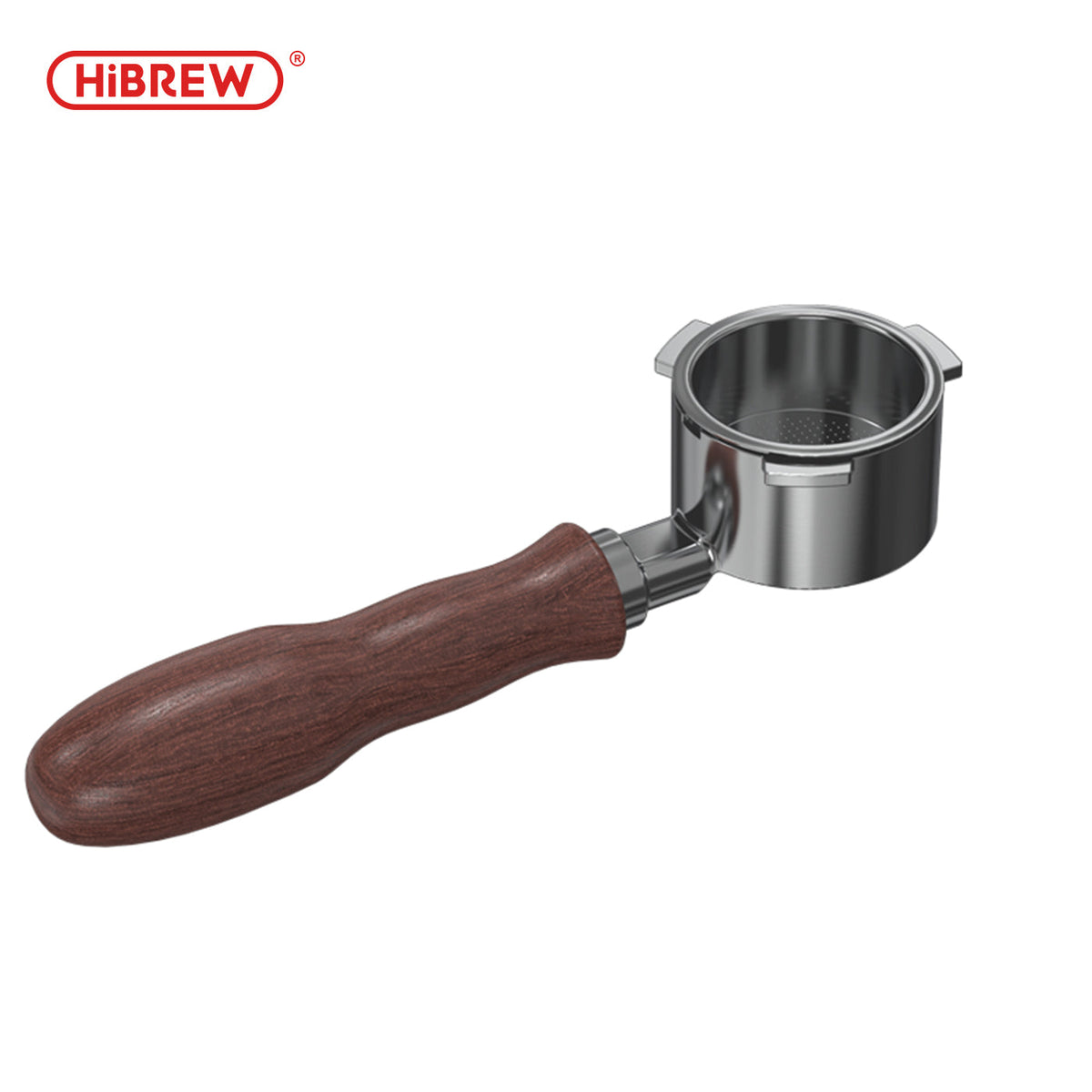
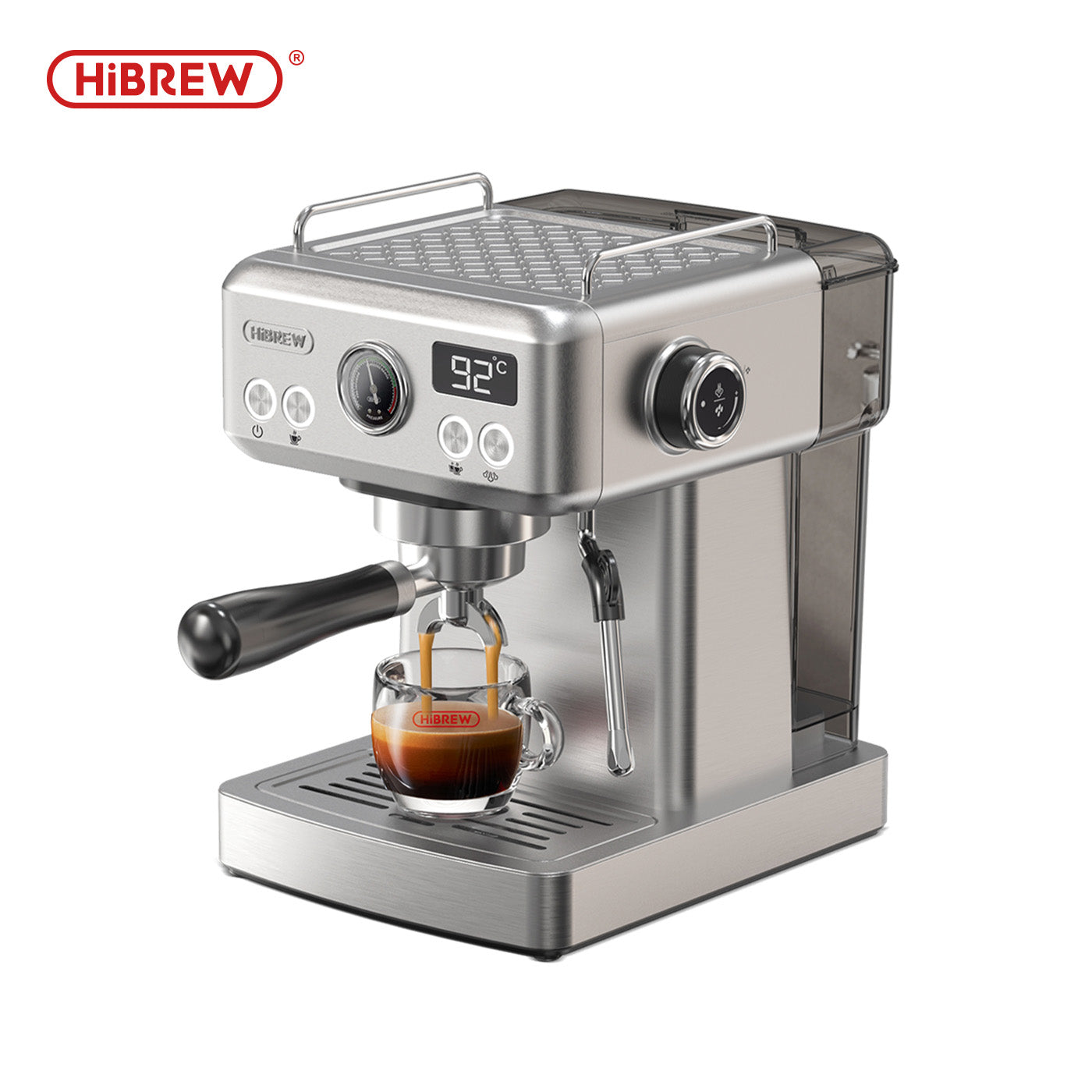
For anyone new to semi‑automatic espresso machines, the term “58 mm portafilter” will quickly catch your eye. As the dominant standard for commercial and prosumer home espresso gear, the 58 mm specification is far more than just a number. It is your gateway to professional‑level espresso extraction.
This guide breaks down everything home baristas need to know about 58 mm portafilters and filter baskets.
1. The Basics: Why 58 mm?
Nominal Size & Manufacturing Tolerance
- The nominal 58 mm refers to the inner diameter of the filter basket.
- Real‑world production tolerance ranges from 58.0 mm to 58.5 mm. For a tight leak‑free fit against classic E61 group heads during high‑pressure extraction, manufacturing tolerance is typically controlled within ±0.02 mm.
Beginner Warning: 58 mm, 54 mm and 51 mm portafilters and baskets are not interchangeable. Before purchasing upgraded accessories such as bottomless portafilters or precision baskets, always double‑check your espresso machine group‑head specification — do not guess by appearance.
2. Extraction Science: Basket Dimension vs Coffee Dose
Extraction Benefits of Wide‑Shallow Coffee Pucks
Compared with narrow‑deep 51 mm or 54 mm baskets, 58 mm baskets offer a larger surface area with reduced depth.
- More even water flow: Water travels a shorter path across a broader coffee‑puck surface, greatly lowering the risk of channeling.
- Higher forgiving workflow: The wide‑shallow geometry gives you more margin for error during distribution and tamping, helping you pull balanced, flavour‑rich espresso shots.
Recommended Coffee Doses (Double‑Shot Baskets)
- Standard double‑shot basket: 18 g‑20 g coffee grounds, the most widely‑used recipe in specialty‑coffee cafés.
- Single‑shot basket: 8 g‑12 g, technically possible yet trickier to extract consistently.
- Shopping note: Inner depth matters alongside diameter. Select deepened baskets if you regularly dose above 20 g for dark‑roast beans. Standard‑depth baskets work fine for typical 18 g dosing.
3. Tamper Matching: Small Size Gap, Huge Shot Difference
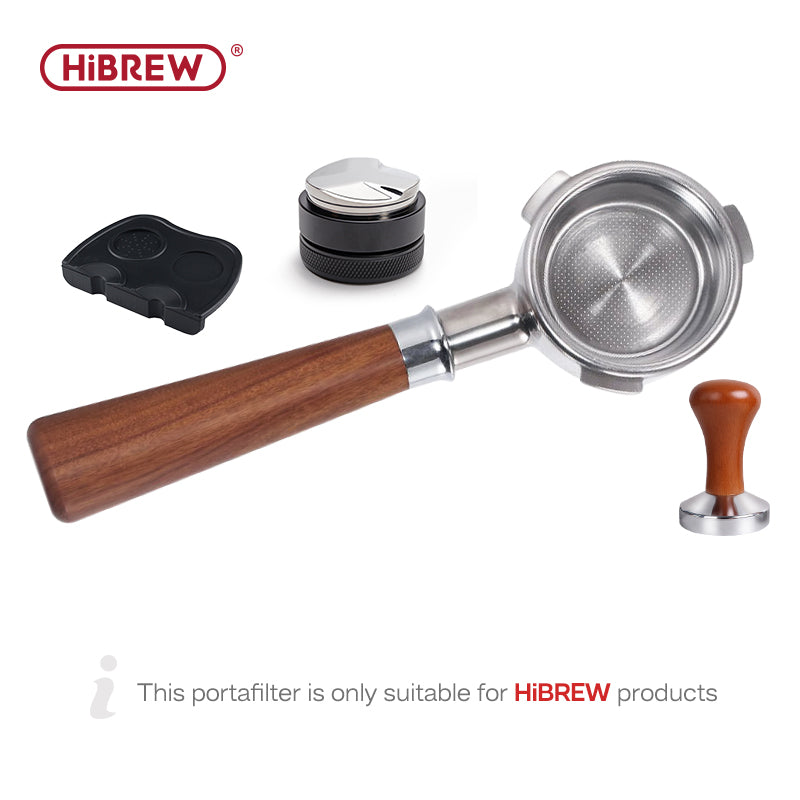
Your tamper is the critical partner for your portafilter. Its diameter must closely match your basket’s inner dimension.
- General recommendation: Select a tamper sized for 58.0 mm‑58.5 mm to suit your actual basket ID.
- Too‑small tamper: Loose clearance leaves loose grounds around the puck edge, triggering channeling and uneven extraction.
- Too‑large tamper: Cannot fully seat inside the basket, risking tilted or incomplete tamping.
4. Weight & Build: Material and Ergonomics
That solid, weighty portafilter is not just aesthetics — mass directly impacts thermal stability during extraction.
- Ideal weight range: 400 g‑500 g. Sufficient metal mass retains heat and prevents rapid temperature drop once locked into the group head.
- Common materials: Solid stainless‑steel or chrome‑plated brass for the portafilter body.
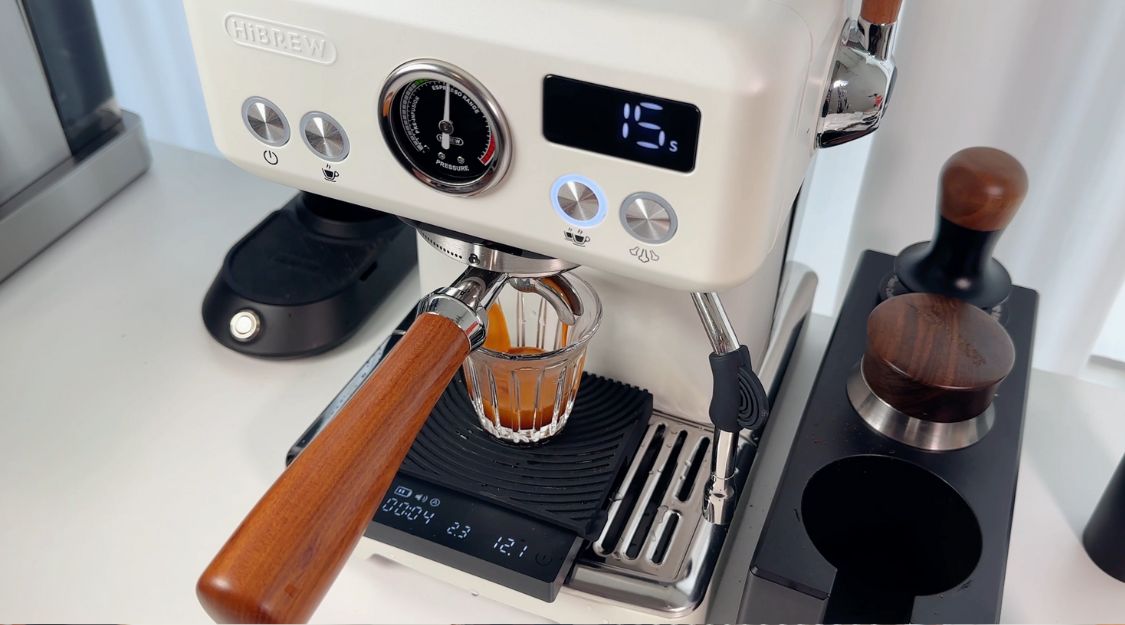
- Handle design: Handles come in solid wood, engineered plastic or silicone‑coated metal. Many premium models adopt a 45‑degree angled grip, for stable resting on countertops and comfortable wrist posture while locking into group head.
5. Spouted vs Bottomless (Naked) Portafilter
Two mainstream options when shopping for portafilters.
Spouted Portafilter (Single / Double Spout)
- Feature: Built‑in spouts collect and channel espresso flow.
- Pros: Highly beginner‑friendly, minimal splashing; convenient for pulling two shots simultaneously into separate cups.
- Cons: You cannot directly observe real‑time extraction behaviour underneath the basket.
Bottomless / Naked Portafilter
- Feature: Removes the base metal plate, offering full visibility of basket outflow.
- Pros: Essential diagnostic tool for home baristas. You can visually spot channeling, jetting, uneven flow or golden crema streams, so you can fix poor distribution or tamping technique.
- Cons: Messy splashing occurs if puck preparation is poor; requires extra cleanup after bad shots.
Pro Maintenance & Care Tips
- Measure before upgrading: Use digital calipers to measure your original basket inner diameter before buying third‑party baskets, tampers or portafilters. Do not rely only on labelled marketing sizes.
- Wood‑handle care: Keep wooden handles away from dishwasher submersion. Wipe clean by hand; occasional food‑safe wood‑oil conditioning prevents drying and cracking.
- Routine metal‑part cleaning: Rinse your portafilter and basket right after use. Perform weekly back‑flush with espresso cleaning tablets to remove built‑up coffee oils. Old rancid residual oil will ruin your next shot’s flavour profile.



Commenta
Questo sito è protetto da hCaptcha e applica le Norme sulla privacy e i Termini di servizio di hCaptcha.